Kithara · The kit studio for Suno
Suno performs. You compose.
Kithara is a studio for building Suno kits — structured scores that tell Suno exactly what to play. Every section arrives scored with its own intent, every Styles box written the way Suno actually reads it. The AI drafts kits, variations, and lyrics inside your rules; a validator checks every note; and the kit stays what it always was — a document you can read, edit, and keep.
From blank page to a score Suno can follow
Everything in Kithara ends at Suno's two text boxes — and begins in a kit document you own. Here is the path a kit takes through the studio.
The document
A score, not a prompt
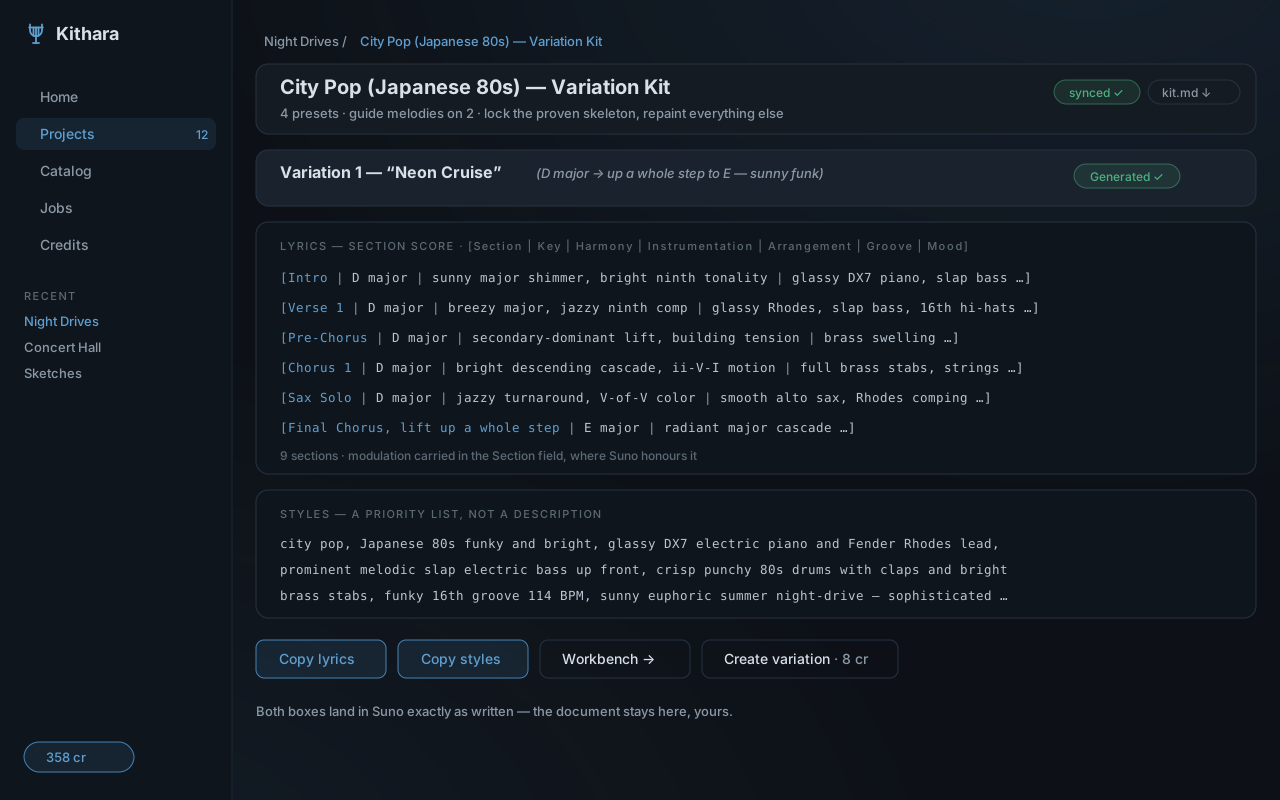
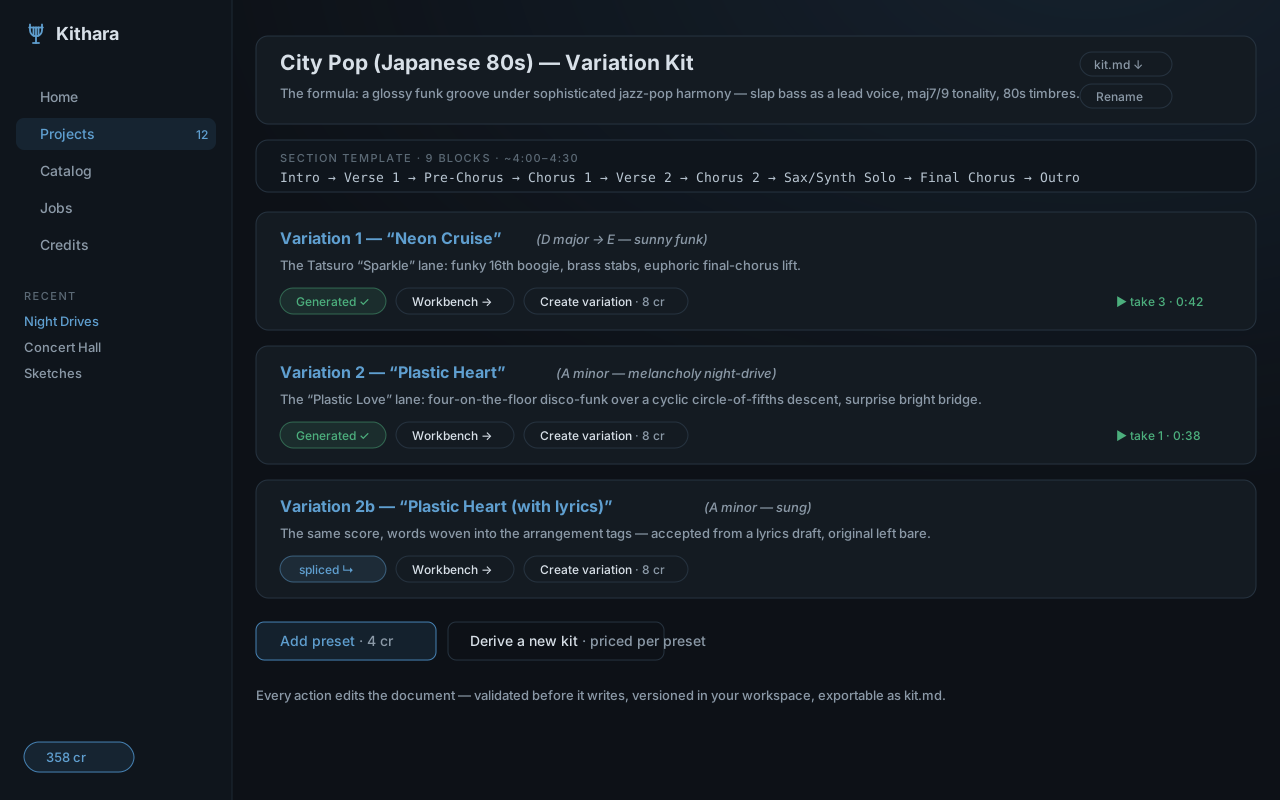
A kit is a readable document: the formula that defines one sound, then presets — each a section-by-section score with its own Styles line, written the way Suno actually reads its two boxes. Copy both into Suno; the kit itself never leaves your workspace.
- Every section scored with its own harmony, instruments, and energy
- Copy buttons for both Suno boxes; export kit.md any time
Draft with AI
Same DNA, new lane
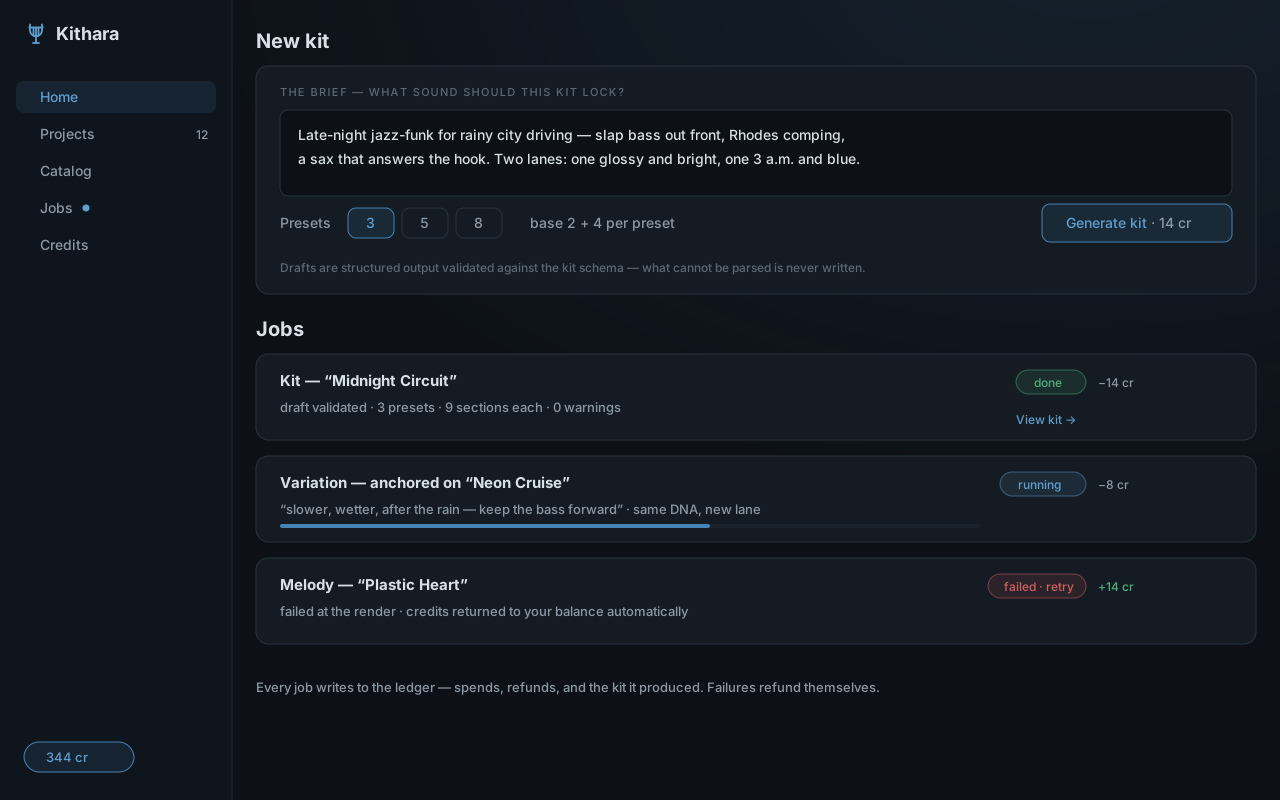
Ask for a whole kit from a brief, a new preset in an existing kit, or a variation anchored on the preset you point at — sunny funk into a melancholy night-drive. Every draft is structured output validated against a schema before it touches your document, and it lands in the document, versioned with everything else.
- Kits are priced per preset — a three-preset kit is 14 credits
- Schema-validated drafts; nothing overwrites your work
Hear it first
Guide melodies are performances
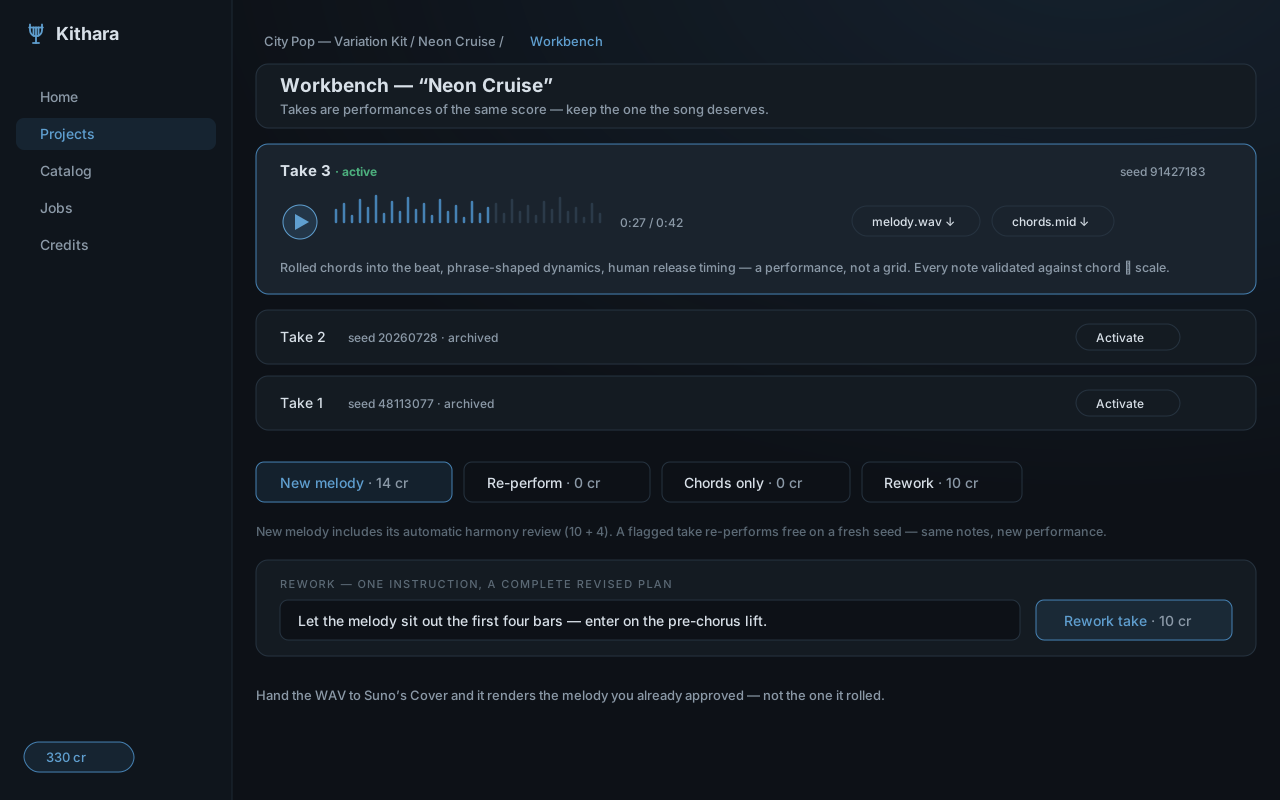
The workbench renders a guide melody for any preset: the AI plans it, a validator snaps every note into the chords and scale, and the render is performed — rolled chords, phrase-shaped dynamics, human timing. Keep takes, re-perform a flagged one free with a new seed, and download WAV or MIDI for Suno's Cover.
- Takes archive; re-perform and chords-only renders are free
- melody.wav for Suno's Cover, chords.mid for your DAW
A second pair of ears
Reviews that ask, never overwrite
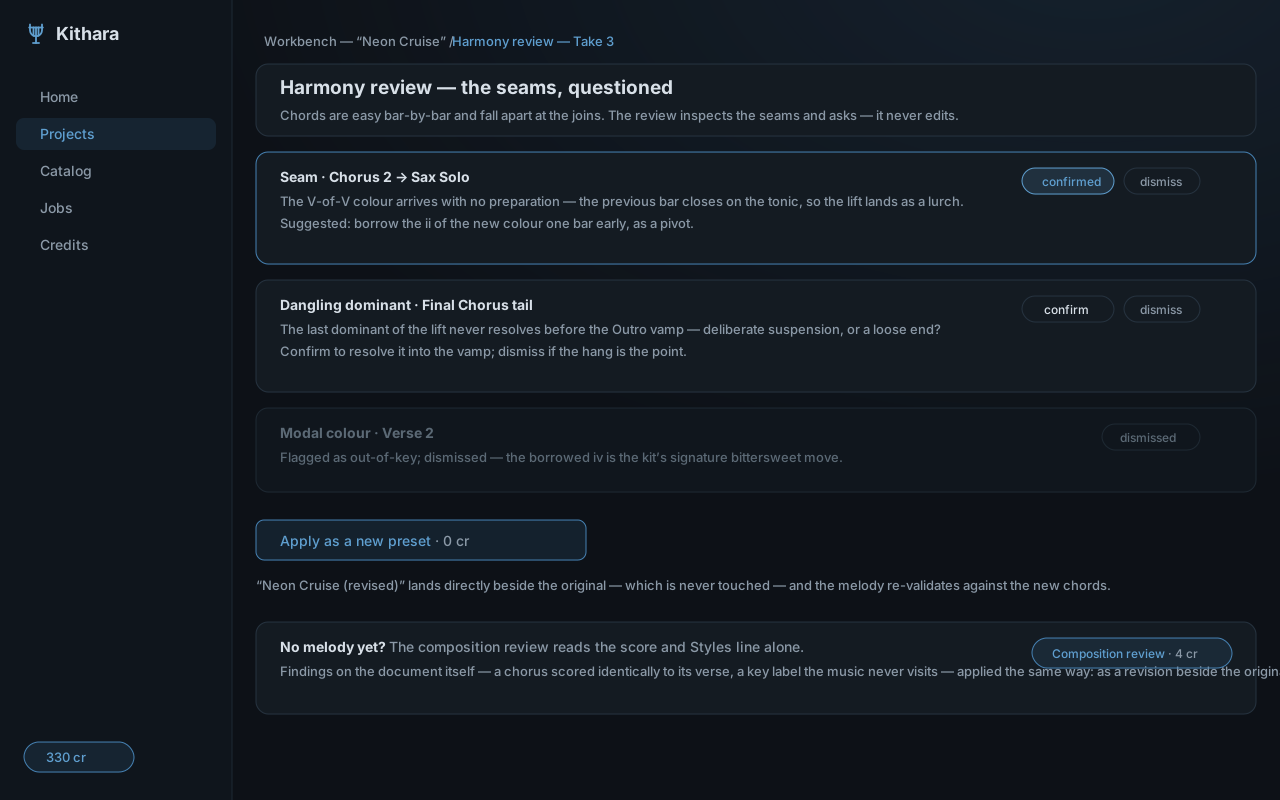
Every melody arrives with a harmony review that inspects the seams — unprepared modulations, dangling dominants, a tonic that never sounds — and raises them as questions, not edits. Prefer to stay on paper? The composition review reads the score and Styles line alone, no melody required. Applying a review writes a new preset beside the original.
- Harmony review is automatic with every melody
- Originals are never touched — revisions land beside them
Words in the tags
Lyrics that land where Suno reads
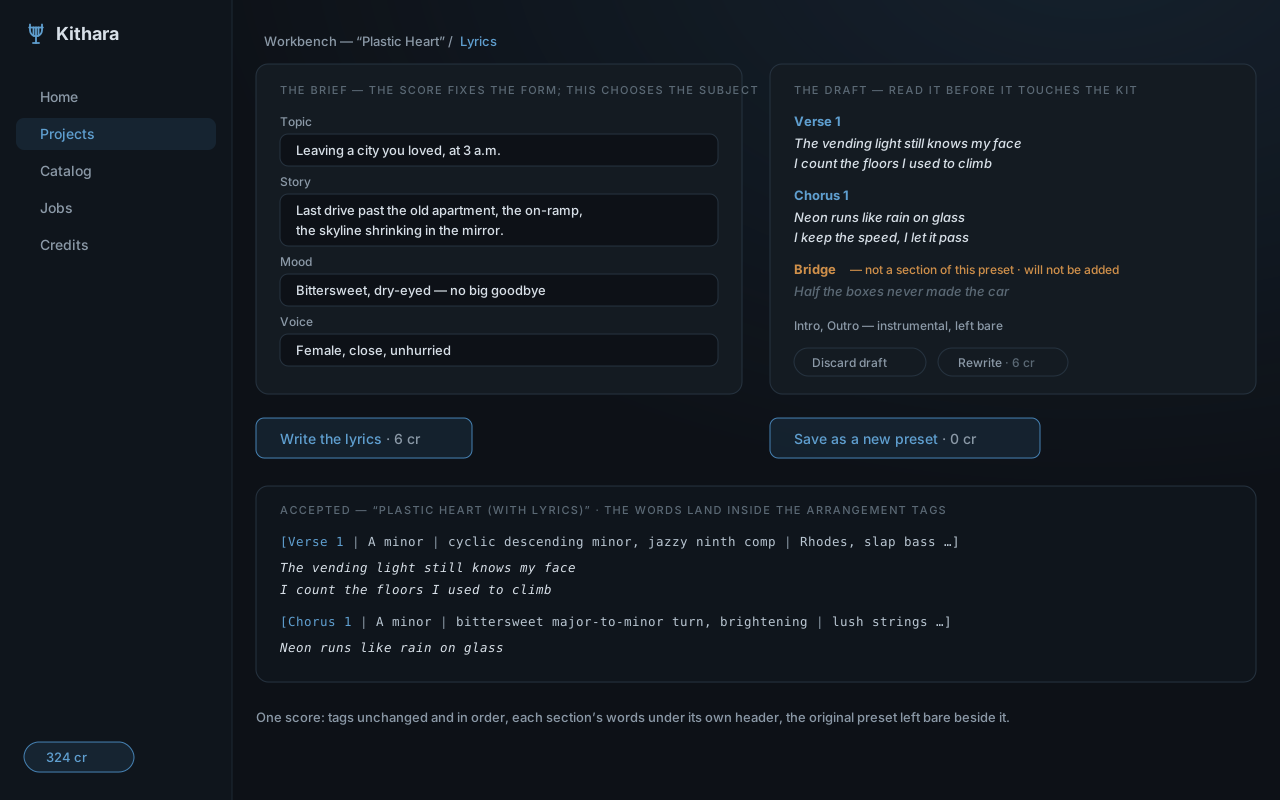
Tell the studio what the song is about — the story, the mood, whose voice — and it drafts lyrics to the shape your score already fixed. You read the draft, and accepting it splices a new preset with the words woven directly into the arrangement tags: one score, sections singing under their own headers, instrumentals left bare.
- The brief chooses the subject; the score chooses the form
- Drafts are yours to accept, rewrite, or discard
Projects & catalog
A library that stays yours
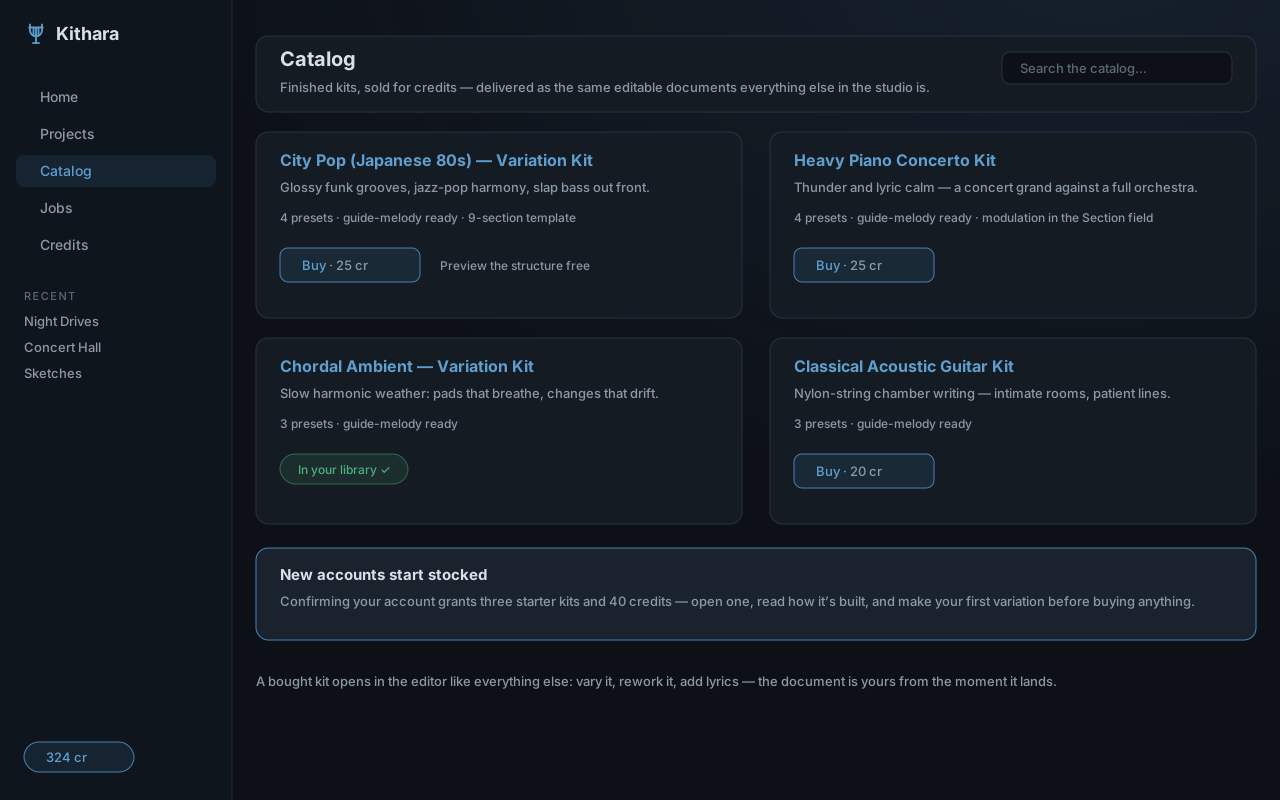
Kits live in projects — searchable, movable, renamable, derivable. Start from scratch, or start from the catalog: finished kits sold for credits, delivered as the same editable documents everything else is. New accounts open with three starter kits and enough credits to judge the studio honestly.
- Catalog kits are full documents, not locked bundles
- Three starter kits and 40 credits when you confirm your account
Why the output sounds composed
The score is the product
Kithara doesn't hide your work inside a chat history. A kit is a markdown document — readable in the app, exportable to your disk, meaningful in ten years — and every AI action edits it.
Written the way Suno listens
Every section scored with its own intent, every Styles line engineered rather than brainstormed — conventions tuned across hundreds of real renders, so the sound you asked for is the sound that survives.
Guide melodies you can hand to Cover
Not quantized MIDI: performed renders with rolled chords, human timing, and phrase-shaped dynamics. Audition takes in the browser, then feed Suno's Cover a WAV that already knows the song.
A validator between the AI and your kit
Drafts must match a schema before they reach the document. Melody notes snap into the chords and scale. Reviews raise questions instead of rewriting. The AI proposes; you decide.
AI exactly where you point it
New kits, presets, variations, reworks, reviews, lyrics — each a priced action on the thing you selected, never a background process. Free where it should be: re-performs, chord renders, and accepting drafts cost nothing.
Credits, not a subscription
No monthly fee. Buy a pack when you're composing, spend it when you generate, and see every movement in your ledger. Purchased credits you haven't spent are refundable in your first 14 days.
Lock the proven skeleton, repaint everything else.
Questions, answered honestly
Do I need Suno?
Yes. Kithara composes what you paste into Suno's styles and lyrics boxes — Suno renders the audio, on any Suno plan. The one exception is handing a guide melody to Suno's Cover feature, which requires their paid tier. Kithara is an independent product with no Suno integration by design: your kits stay in your workspace, and nothing is sent anywhere on your behalf.
What exactly is a kit?
A document that defines one sound: the formula — its harmony language, groove, and arrangement arc — followed by presets, each a complete section-by-section score with its own Styles line. One kit yields endless variations because the skeleton is locked and everything else repaints.
What does it cost?
Credits, per action: a three-preset kit is 14, a variation 8, a guide melody 14 including its automatic harmony review. Packs are €9 for 100, €39 for 550, €99 for 1,500 — no subscription. Confirming your account grants 40 credits and three starter kits, enough to build a kit, hear a melody with its review, and rework it once. The full price list has no asterisks.
Why a waiting list?
The studio is young and we'd rather grow it with musicians who talk back than with traffic. Join the waiting list and we'll write when your place comes up — the doors open in small batches.
Do I own my kits?
Your workspace is private to your account, kit.md exports to your disk any time, and if you ever close the account your downloads stay open for another 30 days. The documents are the product, and they're yours.
What's a guide melody, exactly?
Not the finished song — a performed render of your score, as WAV, that you use to steer Suno's Cover toward the melody you actually want. The AI plans it, a validator snaps every note into the chords and scale, and the renderer performs it with human timing. Don't like a take? Re-performing with a fresh seed is free.
Where does the AI run?
On frontier models under our own keys, through our own gateway, with every draft validated before it touches your kit. Your documents are not training data, and there's a full audit trail of every credit movement in the app.
Compose something worth performing
Your first day lands with 40 credits and three starter kits — enough to build a kit, hear it, and judge the studio honestly.
Join the waiting list